Vancouver Scrap Car Wrecked Car Removal BC Lower Mainland

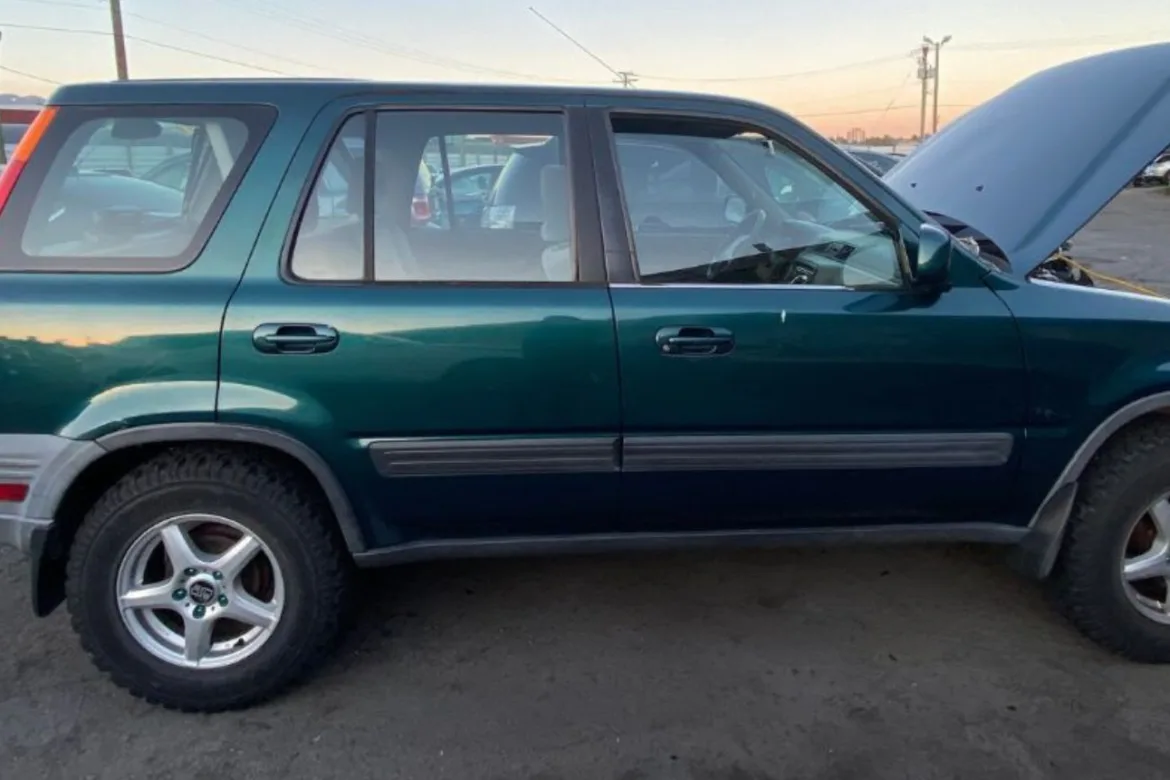
Flood or Fire Damaged Car? Why Insurance Payouts Aren’t Your Only Option

Flooding and fire are two of the most devastating things that can happen to a vehicle — and two of the most misunderstood when it comes to what happens next. A lot of owners assume their only option is whatever their insurance company offers. That’s not the whole picture.

Why flood and fire damage is treated differently

Water damage, especially from flooding, is notoriously deceptive — electrical systems, wiring, and computer modules can fail weeks or months after the water recedes, which is why insurers are often quick to total a flood-damaged vehicle even if it currently starts and runs. Fire damage similarly compromises wiring, plastics, and structural components in ways that aren’t always visible from the outside, making these vehicles a serious safety concern to keep on the road.

If you accept the insurance settlement

Accepting the payout typically means signing the vehicle over to the insurer, who will usually sell it at a salvage auction. You get your settlement and you’re done — simple, but it means you have no further say in what happens to the car.

If you retain the vehicle

Some owners choose to keep the vehicle and take a reduced settlement instead, particularly if they have specific plans for it, sentimental attachment, or believe it’s worth more than the insurer’s total-loss offer accounted for. If you go this route, you now own a damaged vehicle you’re responsible for disposing of yourself.

What a fire or flood vehicle is actually worth

Even heavily damaged vehicles retain scrap and parts value — sometimes components far from the point of damage are completely unaffected and can be sold. A specialized buyer accounts for this rather than treating the whole vehicle as worthless.

Get a real number before you decide

Whether you’re weighing your options after a fire/flood claim or you’ve already retained a damaged vehicle, it’s worth getting an actual quote before assuming there’s nothing left to recover. Vancouver Scrap Car buys fire and flood damaged vehicles as-is, with free towing and fair cash offers based on real remaining value.
Vancouver Scrap Car Removal BC Scrap Vehicle

Inherited a Car You Don’t Want? Here’s the Easiest Way to Deal With It

Dealing with a loved one’s belongings after they pass away is hard enough without an old car sitting in the estate that nobody in the family wants or needs. It’s one of those items that’s easy to keep putting off — but it doesn’t have to be complicated.

The paperwork side isn’t as bad as it seems

If you’re the executor or administrator of the estate, you’ll generally need a grant of probate or letters of administration (or, for smaller estates, sometimes a simpler affidavit process) along with the death certificate to establish your authority to deal with the vehicle. ICBC has a process for transferring a deceased person’s vehicle registration, and a reputable buyer can walk you through exactly what’s needed for your situation.

You don’t need to fix it up or clean it out first

A lot of executors assume they need to detail the car, fix any mechanical issues, or otherwise make it presentable before selling it. You don’t. Whether it’s been sitting in a garage for years, has mechanical problems, or was in daily use right up until the end, it can be sold or scrapped exactly as it is.

Why this is often easier than a private sale

Estate timelines matter — executors are often trying to wrap up affairs within a defined period, and a private sale can drag on for weeks with unreliable buyers. A direct cash sale to a scrap or used car buyer can close out this one line item in a single visit, with payment on the spot, so it’s one less thing hanging over the estate.

Handled with the process explained clearly

If you’re an executor dealing with a vehicle as part of an estate, Vancouver Scrap Car can walk you through exactly what documentation is needed, provide a fair quote, and handle pickup with free towing — so this part of settling the estate doesn’t have to be another source of stress.

Vancouver Scrap Car Removal BC Scrap Vehicle

Do I Need the Title to Scrap My Car in BC?

One of the most common questions we get is whether you need the original paper title or registration in hand to scrap a car in British Columbia. The short answer: it makes things easier, but it’s usually not an absolute dead end if you don’t have it.

What BC actually requires

In BC, vehicle ownership is tracked through ICBC rather than a separate paper “title” the way some provinces or U.S. states use. What you typically need to sell or scrap a vehicle is your current registration (showing you as the owner) and government-issued ID matching that name. A transfer/release of liability process then moves the vehicle out of your name with ICBC.

If you’ve lost your registration

A lost registration isn’t usually a dealbreaker — ICBC can issue a replacement, and in many cases a reputable buyer can walk you through what’s needed for your specific situation, including cases involving a deceased owner’s estate, a divorce, or a vehicle that’s been sitting unregistered for years.

What if the vehicle isn’t currently registered or insured?

A car can still often be scrapped even if its registration or insurance has lapsed, since you’re not putting it back on the road — you’re transferring ownership for scrap. The key is proving you’re the legal owner, which your name on file with ICBC typically establishes even if the plates or insurance aren’t currently active.

Why proper paperwork protects you

Completing the ownership transfer properly matters because until it’s done, the vehicle can still technically be tied to your name — for parking tickets, bylaw issues, or worse. A legitimate buyer will insist on doing this correctly, which protects you just as much as it protects them.

Not sure what you have? Just ask

If you’re unsure whether your paperwork is in order, don’t let that stop you from getting a quote. Vancouver Scrap Car can tell you exactly what’s needed for your situation and help sort out the paperwork on pickup day, so a missing document doesn’t turn into a months-long delay.

How do I register a car in BC without papers?

Through ICBC’s Unregistered Vehicles and Missing Signatures Declaration (form MV1484). You fill in what you know about the vehicle and how you got it — VIN, year, make, model, seller, date, price — writing “unknown” where you don’t know, and swear it in front of a notary public or commissioner for taking affidavits. ICBC may then require an inspection or a B.C. assigned VIN before an Autoplan broker can register it.

If you only want the car gone, you usually don’t need to register it first. Call us with the VIN and what paperwork you do have, and we’ll tell you what’s needed before we book the tow. ICBC’s full steps are on its register a vehicle without documentation page.

Is a bill of sale required in BC?

ICBC’s required document for a sale is the Transfer/Tax Form (APV9T), with all four pages completed and original signatures, plus the signed registration. ICBC doesn’t list a separate bill of sale as mandatory, but it’s still worth having one: it records the price, date, and condition, and it proves the car left your hands.

Ask for one whenever you sell, including to a scrap buyer. Take your plates off and cancel or transfer your insurance, as ICBC’s selling a used vehicle guide explains.

Vancouver Scrap Car Removal BC Scrap Vehicle

How Much Is My Junk Car Actually Worth? (Scrap Metal Prices Explained)

“What’s my junk car worth?” is the question almost every caller asks first, and the honest answer is: it depends on more than just the scrap metal price you might see quoted online. Here’s what actually goes into a fair number.

Weight and scrap steel price

The baseline value of most junk cars comes from their weight in steel, since that’s roughly two-thirds of a typical vehicle. Scrap steel prices fluctuate with global commodity markets, so the same car can be worth somewhat more or less depending on when it’s sold — but this is usually the floor value, not the ceiling.

What pushes the value above scrap weight

A running engine or transmission, even in an otherwise rough car, adds real value because those parts can be resold individually rather than just melted down. Catalytic converters are valuable due to the precious metals inside them (platinum, palladium, rhodium) and can meaningfully affect a quote. Newer model years, popular makes with strong parts demand, and vehicles with valuable components like alloy wheels or working electronics all push the number up.

What pulls it down

Missing an engine or transmission, extensive fire damage, or a vehicle that’s been stripped of parts already will bring the offer closer to pure scrap weight value, since there’s less to resell.

Why quotes vary between buyers

Some buyers quote low because they’re only pricing scrap weight and hoping you don’t know better. Others actually evaluate the parts and components before quoting, which is why it pays to get more than one number before accepting an offer.

Get an honest number for your specific car

Rather than guessing based on a generic online scrap calculator, Vancouver Scrap Car gives you a real quote based on your car’s year, make, model, and condition — accounting for the engine, catalytic converter, and parts value, not just the scrap weight — with free towing and cash paid on pickup.

Vancouver Scrap Car Removal BC Scrap Vehicle

Why Smart Dealerships Don’t Waste Time Reselling End-of-Life Trade-Ins

Every trade-in a dealership takes has to go somewhere. The good ones go to the used lot. But a percentage of trade-ins every month are genuinely at the end of their useful life — high mileage, mechanical issues, body damage — and the smartest dealers know exactly what to do with those: move them fast, not try to squeeze out a small resale margin.

The hidden cost of reconditioning a marginal trade-in

Getting a rough trade-in sale-ready means detailing, mechanical inspection, repairs, safety certification, and lot space — all before it’s even listed. For a trade-in with real problems, reconditioning costs can eat most or all of the resale margin, and that’s before factoring in the weeks or months it sits on the lot not turning over, tying up floor plan financing the whole time.

Lot space and time are the real cost

Every day a low-margin vehicle sits on a dealership’s lot is a day that space isn’t being used by a car that will actually sell quickly and profitably. Sales staff time spent trying to move a rough trade-in is time not spent on inventory that converts faster. For a business, that opportunity cost often matters more than the small profit a marginal vehicle might eventually bring in.

The wholesale-to-scrap math

Selling a genuinely end-of-life trade-in directly to a scrap or salvage buyer converts it to cash almost immediately — no reconditioning spend, no lot time, no sales commission, no financing carry cost. When you run the numbers on time and reconditioning against a marginal resale price, wholesaling out the worst trade-ins often nets a similar or better return with a fraction of the hassle and risk.

A standing option for your worst trade-ins

If your service department or sales team is routinely flagging trade-ins that aren’t worth reconditioning, it’s worth having a fast, no-hassle buyer on call. Vancouver Scrap Car works with dealerships and independent lots across the Lower Mainland to take end-of-life trade-ins off your hands quickly, with free towing and same-day payment, so your lot space and staff time stay focused on inventory that actually sells.

Vancouver Scrap Car Removal BC Scrap Vehicle

5 Signs You Bought a Lemon (and What to Do About It)

Every used car buyer’s worst fear is finding out, a few months in, that they bought someone else’s problem. If your “great deal” has turned into a money pit, you’re not alone — and there’s a point where the smartest move isn’t another repair, it’s cutting your losses.

1. The same problem keeps coming back

If you’ve paid to fix the same issue more than once — an electrical gremlin, a check engine light that won’t stay off, a leak that reappears — that’s a strong sign of an underlying problem the shop hasn’t (or can’t) actually fix.

2. Repairs are outpacing the car’s value

Once you’ve spent more on repairs in a year than the car is actually worth, you’re not investing in a vehicle anymore — you’re just delaying the inevitable at a loss.

3. It failed to disclose accident or flood history

If a vehicle history report or a mechanic turns up frame damage, flood damage, or odometer inconsistencies that weren’t disclosed at sale, that’s a serious red flag about the car’s overall condition, not just the one issue you noticed.

4. Multiple mechanics have different theories

When you’ve taken a car to two or three different shops and gotten two or three different explanations for the same symptom, that’s often a sign of a deeper, harder-to-diagnose issue rather than a straightforward fix.

5. You dread driving it

Sometimes the clearest signal is the least technical one: if you find yourself avoiding a car because you don’t trust it to start, stop, or make it home, that instinct is usually right.

What to do about it

If any of this sounds familiar, it may be time to stop pouring money into repairs and cut your losses. A lemon doesn’t have to sit around costing you more — Vancouver Scrap Car will buy it as-is, in any condition, with free towing and same-day cash, so you can put the money toward something you can actually trust.

Vancouver Scrap Car Removal BC Scrap Vehicle

That Car in Your Driveway Is Costing You More Than You Think

Almost everyone has one, or knows someone who does: a car that hasn’t moved in months, parked in the driveway or on the street, waiting for “someday” when there’s time to fix it, sell it, or deal with it. It feels harmless just sitting there. It isn’t free.

The costs that keep adding up quietly

Even a car that never leaves the driveway usually still needs to be insured and registered to legally sit on most residential streets, which means you may be paying ICBC premiums for a vehicle you’re not using. If it’s in a strata or has nosy neighbours, an eyesore vehicle can trigger bylaw complaints or fines. Tires flat-spot and rot, batteries die, rodents move into the engine bay, and rust accelerates the longer a car sits exposed to Vancouver’s rain. Every month it sits, the value quietly erodes.

The emotional cost nobody talks about

There’s also a less obvious cost: the low-grade guilt and clutter of looking at an unfinished project every time you pull into your own driveway. Plenty of people say a stalled car project becomes a source of ongoing stress long after the original plan to fix it faded.

“Someday” rarely comes

Be honest with yourself: if the car hasn’t been touched in six months or more, the odds of it getting fixed and back on the road are low. Parts, tools, time, and motivation all have to line up at once, and for most people they simply don’t.

Turn the driveway eyesore into cash, today

The fastest way to stop the slow bleed of insurance, storage stress, and street-appeal complaints is to just deal with it. Vancouver Scrap Car will come pick up the vehicle for free, pay you cash on the spot, and give you your driveway — and your peace of mind — back the same day.

Vancouver Scrap Car Removal BC Scrap Vehicle

Gas Prices vs. Car Payments: What’s Actually Cheaper in 2026?

Every time gas prices climb in Metro Vancouver, the same debate resurfaces: is it cheaper to keep nursing an old, thirsty car along, or to take on a car payment for something newer and more efficient? The honest answer depends on numbers a lot of people never actually sit down and calculate.

What an old, inefficient car really costs you at the pump

A car averaging 12 L/100km driven 15,000 km a year burns roughly 1,800 litres of fuel annually. At Vancouver-area prices, that adds up fast — often $2,500 to $3,000 a year on gas alone, before a single repair. A more efficient newer vehicle at 7-8 L/100km can cut that fuel bill by close to half.

What a car payment actually costs you

A used, more efficient vehicle financed over 5-6 years might run $350-500/month depending on the price and rate. That’s a real, fixed cost — but it usually comes with lower maintenance costs, fewer surprise repairs, and often lower insurance if you’re moving away from a high-risk older vehicle.

The real comparison

The math isn’t just fuel versus payment — it’s total cost of ownership. Add up what your current car costs you per year in gas, repairs, and any insurance surcharges for its age or condition, then compare that to a payment plus lower fuel and maintenance costs on something newer. For a lot of owners with an aging vehicle that needs frequent repairs, the numbers land closer than they expect, and sometimes the newer car wins outright once repairs are factored in honestly.

Free up the cash to make the switch

If the math points toward upgrading, your current vehicle can help fund the move — even if it’s old, high-mileage, or needs work. Vancouver Scrap Car offers free towing and pays cash on the spot, so you’re not waiting weeks for a private sale to put that value toward your next vehicle.

Vancouver Scrap Car Wrecked Car Removal BC Lower Mainland

Been in an Accident? Your “Totaled” Car Might Still Be Worth Real Cash

Hearing your insurance company call your car a “total loss” feels final, like the vehicle is suddenly worthless. It isn’t. “Totaled” is an insurance accounting term, not a judgment on the car’s actual value — and understanding the difference can put real money back in your pocket.

What “totaled” actually means

An insurer declares a car a total loss when the cost to repair it exceeds a set percentage of its pre-accident market value (often 70-80%, depending on the insurer). That threshold is about what makes financial sense for the insurance company to pay out — it has nothing to do with whether the car’s engine, transmission, or usable parts still have value.

Why the car still has worth after that call

Even a heavily damaged vehicle usually has plenty of components that are perfectly fine: the engine or transmission if the damage was to the body, the catalytic converter, wheels and tires, electronics, glass, and of course the scrap steel value of the frame itself. A buyer who specializes in accident vehicles values the car on all of this, not on whether it could pass a road test today.

Your options after a total-loss settlement

If you accept the insurance payout, the insurer typically takes ownership of the vehicle and sells it at auction — meaning you get the settlement but nothing extra for the vehicle itself. Some owners choose to retain the vehicle instead (often for a reduced settlement), which means you now own a totaled car and can sell it yourself for whatever additional value it holds.

Getting a fair price for an accident vehicle

If you do end up with the vehicle in your hands — whether you retained it from an insurance settlement or it was never insured for collision in the first place — it’s worth getting a real quote rather than assuming it’s worthless. Vancouver Scrap Car buys accident and total-loss vehicles as-is, offers free towing, and pays based on the vehicle’s actual scrap and parts value — often more than people expect for a car they’d written off completely.

Vancouver Scrap Car Removal Recycle My Junk Vehicle Vancouver Fraser Valley BC

Scrapping Your Car Is the Original Recycling

Long before curbside recycling bins and blue box programs, there was the scrapyard. Taking a dead car apart and putting its materials back into use is one of the oldest, most effective forms of recycling there is — and it’s still one of the most impactful things a vehicle owner can do for the environment, whether that’s the motivation or not.

Where the material actually goes

A typical car is roughly 65-70% steel and iron by weight, almost all of which gets shredded, sorted, and melted down to make new steel — for appliances, construction beams, even new vehicles. Aluminum wheels and engine components get recycled separately. Batteries are reclaimed for their lead and other materials. Even the glass and certain plastics increasingly get diverted from landfill as recycling processes improve.

The part that matters more than people realize: fluids

A car that’s abandoned, left to rust in a field, or crushed carelessly can leak engine oil, coolant, transmission fluid, and battery acid straight into the soil and groundwater. A proper scrap or auto recycling facility drains and safely disposes of every one of these fluids before the vehicle is dismantled, which is a meaningful difference between “scrapping it right” and just letting an old car quietly decay somewhere.

It beats the alternative of keeping a dead car around

An old, non-running car sitting in a driveway or backyard isn’t doing the environment any favours either — it’s an idle hunk of metal with fluids slowly degrading, doing nothing productive. Recycling it means those materials go back into the economy instead of sitting there indefinitely.

Do the responsible thing and get paid for it

The good news is that doing right by the environment and getting cash in your pocket aren’t in conflict here. Vancouver Scrap Car handles fluid removal and recycling properly, pays you for the vehicle’s scrap and parts value, and picks it up for free — so there’s no reason to let an old car sit when recycling it is both the responsible and the profitable choice.

Vancouver Scrap Car Wrecked Car Removal BC Lower Mainland

Why Your Car Got Rejected for Insurance — and What to Do With It Now

Getting turned down for insurance — or told your premium is about to triple — is one of the more frustrating surprises a car owner can get. It usually isn’t random. Insurers reject or heavily penalize vehicles for a handful of specific reasons, and once you know which one applies to you, the next step becomes a lot clearer.

The most common reasons a car gets rejected

A salvage or rebuilt title from a past accident is the biggest one — many insurers simply won’t touch a vehicle with that history, or will only offer liability coverage with no collision protection. A lapsed policy (going more than a short window without continuous coverage) can also flag you as higher risk. Some older vehicles get rejected outright because parts are hard to source, which makes them expensive to insure for collision claims. And a vehicle that failed a mechanical inspection tied to registration can be denied coverage until it’s fixed.

When “just get a different insurer” doesn’t work

If one company rejects a vehicle for a structural reason like a branded title, most others will too — it’s not a matter of shopping around long enough. At that point you’re often left choosing between an expensive high-risk policy that barely makes sense financially, or accepting that the car is more trouble than it’s worth to keep insured at all.

What the car is actually worth to you now

Here’s the thing insurance companies won’t tell you: a car that’s uninsurable for road use can still be worth solid cash for its parts and metal. You’re not stuck between “pay a fortune to insure it” and “let it sit in the driveway.” There’s a third option that a lot of people don’t think of right away.

Turn the problem into cash instead

Rather than fighting with insurers over a vehicle that’s become more of a liability than an asset, Vancouver Scrap Car will give you a fair cash quote based on the vehicle’s condition and take it off your hands with free towing — no inspection required, no repairs needed first. It’s often the fastest way to close the book on a car that’s become an insurance headache.

Vancouver Scrap Car Removal BC Scrap Vehicle

Moving or Leaving the Country? Get Rid of Your Car Fast

If you’re moving away from Vancouver — or leaving the country altogether — your car can turn into one of the most stressful items on your to-do list. Facebook Marketplace buyers often want to test drive it, negotiate, and then pick it up “whenever works,” but you don’t have that luxury. You need your car right up until the day you leave, and BC law says a vehicle needs valid insurance and a registered owner responsible for it the entire time it’s on the road or even parked on the street.

The catch with private sales when you’re on a deadline

Selling privately usually means listing the car, fielding messages, scheduling viewings, and waiting for a buyer who’s actually ready to commit — a process that can easily take two or three weeks. If your flight is booked, you don’t have three weeks of flexibility. And until the car is legally transferred to a new owner, you’re still on the hook for ICBC insurance, parking tickets, and liability if anything happens to it.

Why a same-day scrap or cash-for-car sale solves this specific problem

A scrap car buyer isn’t trying to negotiate over Marketplace DMs for two weeks — the whole process is built to happen fast. You get a quote based on your car’s year, make, model, and condition, and if you accept, the vehicle can be picked up within a day or two, sometimes the same day. That means you can keep driving it right up until close to your departure date and still walk away with cash before you leave, instead of leaving a half-sold car with a friend or relative to “deal with later.”

What to have ready

To transfer a vehicle out of your name in BC, you’ll generally need your vehicle registration, a piece of ID, and to complete a transfer/release of liability so ICBC and the province know it’s no longer yours. A reputable buyer will walk you through this on pickup day so there’s no loose end still tied to your name after you’ve left the country.

Don’t leave it as someone else’s problem

We’ve heard from more than one person who left a car with a family member “to sell later” — only for it to sit for months, racking up questions about who’s responsible for it. If you’re leaving, it’s worth getting it handled before you go. Vancouver Scrap Car offers free towing and same-day pickup across the Lower Mainland, so you can close this out cleanly and focus on the move itself.

🏠 Home